Cryptocurrency has taken the financial world by storm. With digital currencies like Bitcoin, Ethereum, and countless altcoins becoming mainstream, securing your crypto assets is more important than ever. Whether you are a beginner or an experienced investor, knowing how to protect your crypto wallet is crucial to safeguard your investments from hackers, scams, and human error. In this guide, we will walk you through practical strategies and expert tips to ensure your crypto remains safe.
What is a Crypto Wallet?
Before diving into security tips, it’s essential to understand what a crypto wallet is. A crypto wallet is a digital tool that allows users to store, send, and receive cryptocurrency. There are two main types:
- Hot Wallets – These wallets are connected to the internet, making transactions convenient but potentially vulnerable to cyber attacks.
- Cold Wallets – Offline wallets, such as hardware wallets or paper wallets, offer enhanced security by being disconnected from the internet.
Knowing the type of wallet you are using is the first step in learning how to protect your crypto wallet.
Why Securing Your Crypto Wallet is Crucial
Unlike traditional banking systems, cryptocurrency transactions are irreversible. If someone gains access to your wallet, they can steal your funds, and there is no way to reverse the transaction. Here’s why security is vital:
- Protection from hackers – Cybercriminals constantly target crypto wallets.
- Avoid phishing attacks – Scammers trick users into revealing their private keys.
- Prevent accidental loss – Losing access to your wallet can mean losing your crypto forever.
Understanding these risks underscores the importance of knowing how to protect your crypto wallet effectively.
Top Strategies to Protect Your Crypto Wallet
Here are the most effective strategies to secure your cryptocurrency:
1. Use Strong and Unique Passwords
Always create a complex password for your crypto wallet. Avoid using easily guessable information like your name or birthdate. A strong password should include:
- Uppercase and lowercase letters
- Numbers
- Special characters
Consider using a password manager to generate and store passwords securely. This step is fundamental when learning how to protect your crypto wallet.
2. Enable Two-Factor Authentication (2FA)
Two-factor authentication adds an extra layer of security by requiring a second form of verification, usually a code sent to your mobile device. Popular authentication apps include:
- Google Authenticator
- Authy
Enabling 2FA ensures that even if your password is compromised, your wallet remains protected.
3. Keep Your Private Keys Secure
Your private key is the master key to your cryptocurrency. Anyone with access to it can control your funds. Tips to secure your private keys:
- Never share your private key
- Store it offline
- Consider writing it on paper or using a hardware wallet
Private key security is central to understanding how to protect your crypto wallet.
4. Use Hardware Wallets for Maximum Security
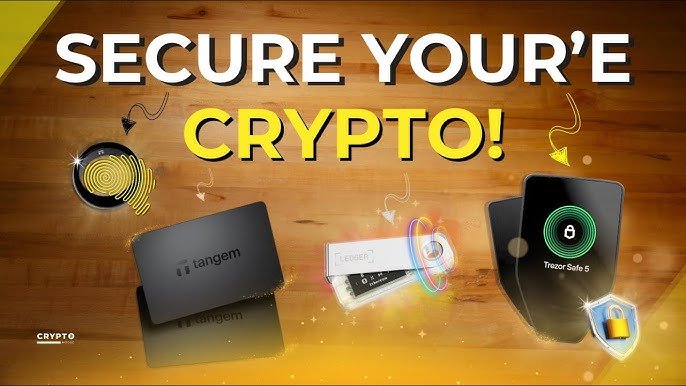
Hardware wallets are physical devices that store your private keys offline. They are resistant to malware and hacking. Popular hardware wallets include:
- Ledger Nano X
- Trezor Model T
Using a hardware wallet is one of the safest ways to protect your crypto assets.
5. Keep Your Software Updated
Whether it’s your wallet software or your computer, keeping systems updated helps protect against vulnerabilities. Hackers often exploit outdated software to access wallets.
6. Avoid Public Wi-Fi for Transactions
Public Wi-Fi networks are prone to attacks. Never access your crypto wallet or perform transactions on unsecured networks. Use a trusted, private network or a VPN for added security.
7. Beware of Phishing and Scams
Phishing attacks trick users into giving away private information. To avoid falling victim:
- Double-check URLs before entering credentials
- Be cautious of emails claiming urgent action
- Avoid clicking suspicious links
Recognizing phishing attempts is essential when learning how to protect your crypto wallet.
8. Backup Your Wallet
Regularly backing up your wallet ensures you can recover your funds if your device fails or is lost. Store backups in multiple secure locations, preferably offline.
9. Use Multi-Signature Wallets
Multi-signature wallets require multiple private keys to authorize a transaction. This adds an extra layer of security, making it harder for hackers to steal funds.
10. Educate Yourself Continuously
The cryptocurrency world evolves rapidly. Staying informed about the latest security threats and solutions is key to protecting your assets. Follow trusted sources and join crypto communities to stay updated.
Best Practices for Different Types of Crypto Wallets
Different wallets require different security measures. Let’s explore best practices:
Hot Wallet Security
- Use wallets from reputable providers
- Enable 2FA
- Avoid storing large amounts of crypto
Cold Wallet Security
- Keep your hardware wallet in a safe place
- Avoid sharing the recovery phrase
- Regularly check for firmware updates
By following these tailored practices, you can significantly reduce the risk of loss.
Common Mistakes That Put Your Crypto at Risk
Even experienced users make mistakes. Avoid these common pitfalls:
- Sharing private keys or seed phrases
- Using weak passwords
- Ignoring software updates
- Falling for phishing scams
- Using unsecured networks
Awareness of these mistakes is critical to mastering how to protect your crypto wallet.
Emerging Security Trends in Crypto Wallets
The crypto world is constantly innovating. New security trends include:
- Biometric authentication – Using fingerprints or facial recognition
- Decentralized wallets – Reducing dependence on third-party providers
- AI-powered fraud detection – Identifying suspicious activities
Staying ahead of these trends helps ensure your crypto remains safe.
Conclusion: Protecting Your Crypto Wallet is Non-Negotiable
Securing your cryptocurrency is not optional; it is essential. By implementing strong passwords, enabling 2FA, using hardware wallets, and staying vigilant against scams, you can significantly reduce the risk of losing your assets. Learning how to protect your crypto wallet is an ongoing process that requires attention, caution, and continuous education.
Remember, your crypto wallet is your digital bank. Treat it with the same seriousness as you would your savings account. By following the strategies outlined in this guide, you can enjoy the benefits of cryptocurrency without exposing yourself to unnecessary risks.