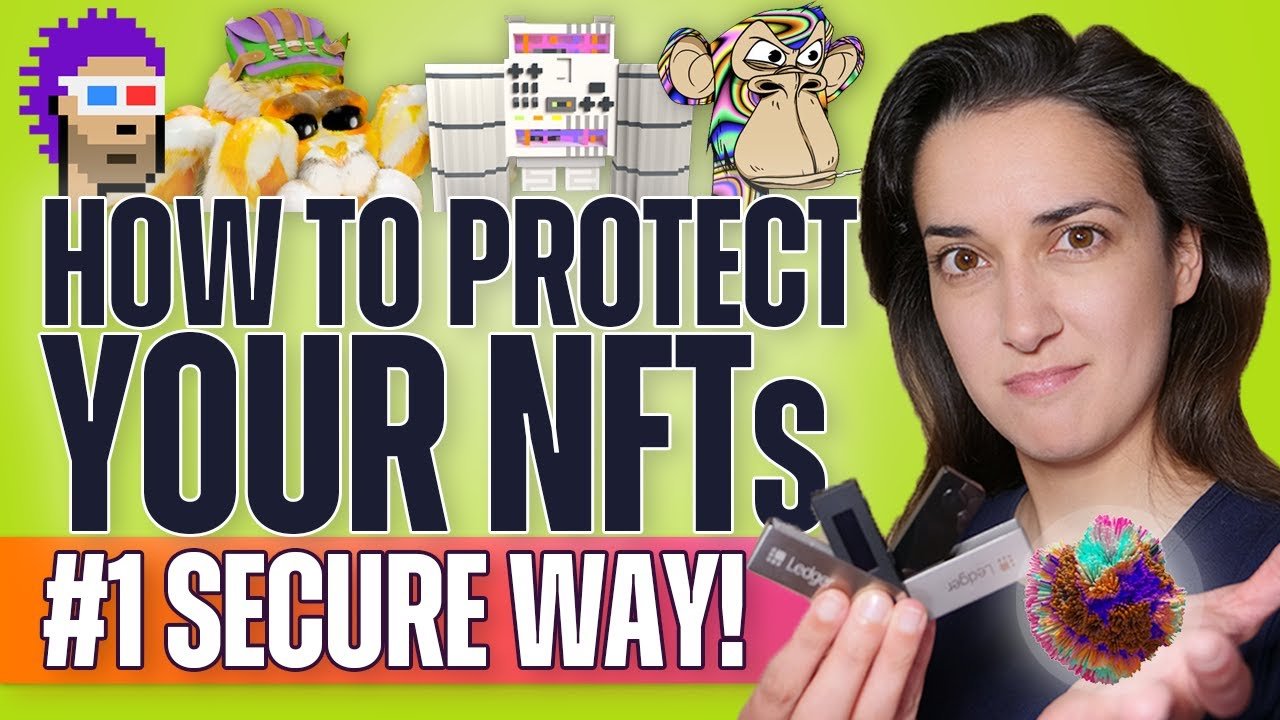
In recent years, NFTs (Non-Fungible Tokens) have transformed the digital world, offering new opportunities for creators, collectors, and investors alike. From digital art to virtual real estate, NFTs are now a mainstream phenomenon. However, with innovation comes risk. Understanding NFT risks & security tips is crucial for anyone venturing into this space. This guide will explore the potential threats and provide practical advice to keep your digital assets safe.
Understanding NFTs and Their Popularity
Before diving into the risks, it’s important to understand what NFTs are and why they matter. NFTs are unique digital assets stored on a blockchain, which verifies ownership and authenticity. Unlike cryptocurrencies like Bitcoin, which are fungible, each NFT is one-of-a-kind, making it ideal for digital art, collectibles, music, and more.
The booming popularity of NFTs has attracted millions of investors worldwide, but it has also opened the door to scams and security breaches. This is why learning about NFT risks & security tips is essential for anyone engaging with this technology.
Common NFT Risks to Be Aware Of
When navigating the NFT market, several risks can compromise your investments or personal data. Here are the most common NFT risks every collector should know:
1. Phishing Attacks
Phishing attacks are one of the most prevalent threats in the NFT world. Scammers often send fake emails, messages, or websites that mimic legitimate NFT platforms. By tricking you into entering your wallet credentials, they can steal your NFTs or cryptocurrency.
Tip: Always verify website URLs and avoid clicking links from untrusted sources. Use bookmarks for official NFT marketplaces.
2. Rug Pulls
Rug pulls occur when NFT creators or projects suddenly disappear after selling NFTs, leaving investors with worthless assets. This risk is especially high in new, hyped collections that promise quick returns.
Tip: Research the project thoroughly. Check the team’s history, community engagement, and roadmap before investing.
3. Smart Contract Vulnerabilities
NFTs operate through smart contracts, which are self-executing agreements coded on a blockchain. Bugs or vulnerabilities in these contracts can be exploited by hackers, potentially leading to loss of NFTs or funds.
Tip: Prefer platforms with audited smart contracts and avoid projects with unknown developers.
4. Wallet Security Threats
Your digital wallet is your gateway to NFTs. Losing access to your wallet or having it compromised can result in permanent loss of assets. Common threats include malware, keyloggers, and weak passwords.
Tip: Use hardware wallets for long-term NFT storage and enable two-factor authentication on all accounts.
5. Marketplace Scams
Not all NFT marketplaces are legitimate. Some platforms host fake listings, duplicate NFTs, or unauthorized sales of copyrighted content. Engaging with these marketplaces can put your investment at risk.
Tip: Stick to well-known, reputable NFT marketplaces such as OpenSea, Rarible, or Magic Eden, and verify each listing carefully.
Essential NFT Security Tips
Now that you understand the risks, let’s focus on practical steps to protect yourself. Implementing these NFT security tips will significantly reduce your exposure to threats:
1. Use Strong and Unique Passwords
Weak passwords are an open invitation to hackers. Always use complex, unique passwords for your NFT accounts, wallets, and email addresses. Consider a password manager to securely store and manage them.
2. Enable Two-Factor Authentication (2FA)
2FA adds an extra layer of security, requiring a second verification step in addition to your password. Most NFT marketplaces and wallets support 2FA through apps like Google Authenticator or Authy.
Tip: Avoid SMS-based 2FA as it can be intercepted. App-based authentication is safer.
3. Invest in a Hardware Wallet
A hardware wallet is a physical device that stores your NFTs offline, making it immune to online hacks. Popular options include Ledger Nano X and Trezor Model T.
Tip: Keep your recovery seed phrases secure and never share them online.
4. Verify NFT Projects and Creators
Do not rush into buying NFTs from unknown sources. Research the project team, check their social media presence, and verify community feedback. Authenticity reduces the risk of rug pulls and scams.
Tip: Look for projects that provide transparency in terms of roadmap, team credentials, and smart contract audits.
5. Beware of Free NFT Giveaways
Scammers often lure victims with “free NFT giveaways.” Once you provide your wallet info or connect your wallet to a malicious site, your NFTs can be stolen.
Tip: Only participate in giveaways hosted by verified platforms or reputable creators.
6. Regularly Update Your Software
Keep your wallet apps, browsers, and devices updated. Security patches often fix vulnerabilities that hackers exploit to steal NFTs.
Tip: Avoid downloading wallet apps or tools from unofficial sources.
7. Avoid Sharing Private Keys
Never share your private keys or seed phrases. Anyone with this information can access your NFTs and crypto assets.
Tip: Treat your private keys like a bank PIN – highly confidential and never online.
Understanding NFT Tax and Legal Risks
NFTs are not just about digital assets—they also involve legal and financial considerations. Ignoring these aspects can lead to significant risks:
1. Tax Implications
Many countries tax NFT transactions, including buying, selling, or earning royalties. Failure to comply with tax regulations can result in penalties.
Tip: Keep detailed records of NFT purchases and sales, and consult a tax professional for guidance.
2. Copyright and Intellectual Property Risks
Some NFTs may infringe on copyrights if creators do not own the underlying content. Buying such NFTs could potentially lead to legal issues.
Tip: Verify the authenticity and copyright ownership before purchasing any NFT.
The Future of NFT Security
As NFTs continue to evolve, so do the associated risks. Blockchain technology is advancing, and platforms are investing in more robust security measures. Here are some trends in NFT security to watch:
- Improved Smart Contract Audits: More projects are now undergoing professional audits to prevent vulnerabilities.
- Decentralized Identity Verification: Emerging solutions allow NFT holders to verify identity without compromising privacy.
- AI-Powered Fraud Detection: AI tools can monitor suspicious transactions and alert users about potential threats.
Keeping up with these trends will help investors stay ahead of scams and hacks, making NFT risks & security tips more effective.
Key Takeaways
Navigating the NFT space can be exciting and profitable, but it comes with substantial risks. Understanding NFT risks & security tips is essential for any collector or investor. Here’s a quick summary:
- Phishing attacks, rug pulls, and wallet vulnerabilities are common threats.
- Use hardware wallets, strong passwords, and 2FA for enhanced security.
- Verify NFT projects and creators before investing.
- Keep track of tax and legal implications to avoid future problems.
- Stay updated with the latest security trends in the NFT ecosystem.
By taking these precautions, you can enjoy the benefits of NFTs while minimizing potential losses.
Conclusion
NFTs have opened a new frontier in digital ownership and investment. However, with innovation comes risk. Learning about NFT risks & security tips is not optional—it’s necessary for protecting your assets in a rapidly growing market. By combining vigilance, research, and proper security practices, you can safely explore the exciting world of NFTs while avoiding common pitfalls.
Remember, in the world of NFTs, knowledge is your best security tool. Stay informed, stay cautious, and enjoy the future of digital collectibles safely.