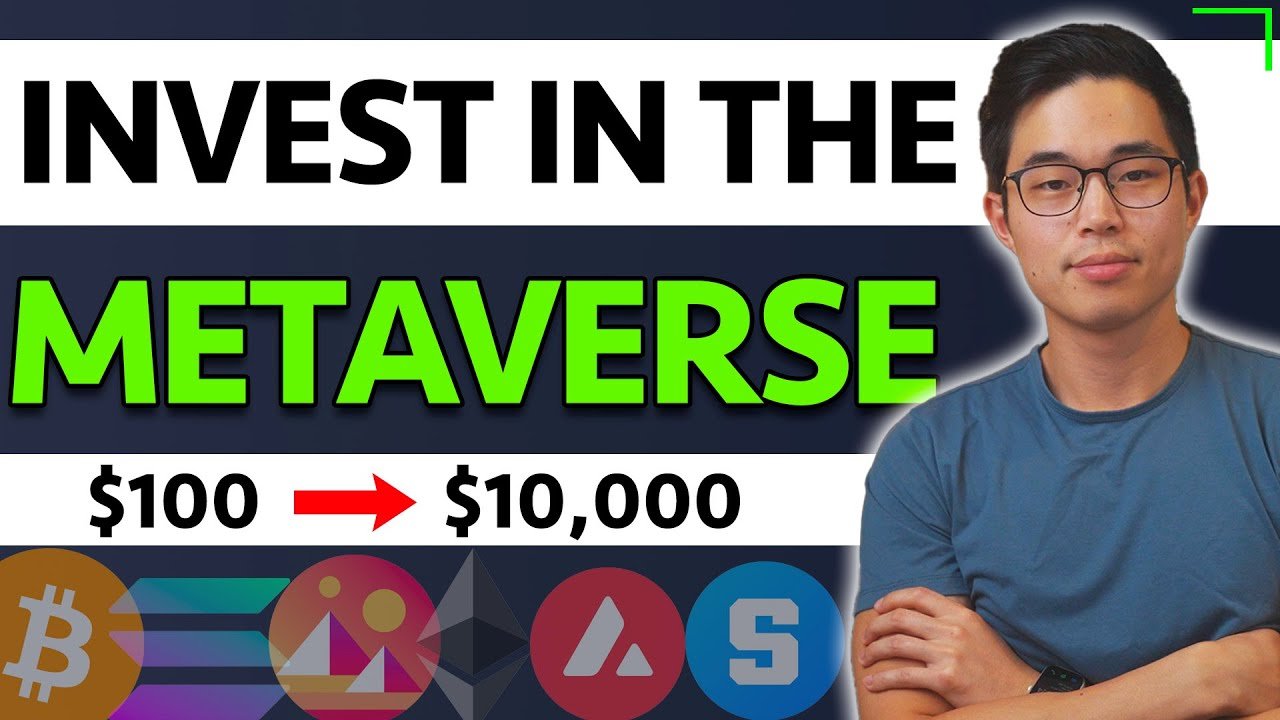
In the rapidly evolving world of digital assets, the Metaverse and NFTs (Non-Fungible Tokens) are reshaping the way people perceive value, ownership, and investment opportunities. Whether you’re a seasoned investor or just stepping into the digital economy, understanding how to navigate this landscape is crucial. This Metaverse NFTs Investment Guide will provide insights, strategies, and practical tips to help you make informed decisions in this exciting digital frontier.
Understanding the Metaverse: The Next Digital Frontier
The term Metaverse refers to a collective virtual space where users can interact, socialize, and transact within digital environments. Think of it as an expansive, immersive universe powered by technologies like augmented reality (AR), virtual reality (VR), and blockchain.
Investing in the Metaverse isn’t just about buying virtual land or digital art—it’s about understanding how these ecosystems function and identifying value before it becomes mainstream. Platforms like Decentraland, The Sandbox, and Axie Infinity are pioneering this new digital economy, where assets hold real-world value and opportunities are limitless.
What Are NFTs and Why They Matter
NFTs, or Non-Fungible Tokens, are unique digital assets verified on the blockchain. Unlike cryptocurrencies such as Bitcoin or Ethereum, NFTs are indivisible and unique, making them perfect for representing digital art, virtual real estate, collectibles, and more.
The surge in NFT popularity stems from their ability to authenticate ownership and scarcity. For investors, NFTs present a new class of assets that can appreciate over time, especially in the Metaverse where scarcity and utility drive value.
How to Invest in the Metaverse Using NFTs
Investing in the Metaverse via NFTs requires a blend of creativity, strategy, and due diligence. Here’s a step-by-step approach as part of your Metaverse NFTs Investment Guide:
1. Educate Yourself on Platforms and Assets
Before investing, familiarize yourself with top Metaverse platforms. Each ecosystem has its own token economy, user base, and asset types:
- Decentraland (MANA): Focused on virtual real estate and experiences.
- The Sandbox (SAND): Allows users to create, own, and monetize gaming experiences.
- Axie Infinity (AXS): Combines gaming with NFT ownership.
Understand the asset types—digital land, collectibles, avatars, or art—and assess which aligns with your investment goals.
2. Choose the Right NFT Investment Type
NFTs in the Metaverse can be broadly categorized as:
- Virtual Real Estate: Digital plots that can be developed into commercial or entertainment spaces.
- Digital Collectibles: Limited edition items or art that gain value due to scarcity.
- Gaming NFTs: Items or characters used in play-to-earn games.
Each type has a different risk-return profile. Virtual real estate often requires more capital but can yield long-term gains, while collectibles and gaming NFTs can provide faster, speculative returns.
3. Use Reputable NFT Marketplaces
Buying and selling NFTs should be done on trusted marketplaces. Some popular options include:
- OpenSea: One of the largest NFT marketplaces globally.
- Rarible: Focuses on digital art and collectibles.
- Magic Eden: Popular for Solana-based NFTs.
Ensure the marketplace supports the blockchain your NFT operates on and offers secure transactions.
4. Analyze Scarcity and Utility
Scarcity drives value. Limited edition NFTs often outperform mass-produced ones. Utility is equally important—NFTs that provide access, perks, or exclusive experiences in the Metaverse tend to retain higher value.
Ask yourself:
- How many similar NFTs exist?
- Does it offer benefits beyond ownership?
- Is it tied to a platform with growth potential?
5. Diversify Your NFT Portfolio
Just like traditional investments, diversification is key. Spread your investment across different types of NFTs, platforms, and price ranges. This approach reduces risk and positions you to benefit from various market trends.
Risks and Challenges in Metaverse NFT Investing
While the Metaverse NFTs Investment Guide highlights opportunities, it’s crucial to be aware of potential risks:
- Market Volatility: NFT prices can fluctuate dramatically based on hype and market sentiment.
- Liquidity Issues: Selling certain NFTs may take time, especially niche or low-demand items.
- Scams and Fraud: Always verify authenticity and use trusted marketplaces.
- Regulatory Uncertainty: Laws around digital assets are evolving and may affect ownership or taxation.
Risk management strategies, including thorough research, limiting investment amounts, and diversifying assets, are essential.
Strategies for Successful Metaverse NFT Investment
Here are some proven strategies to maximize returns and minimize risks in the Metaverse:
1. Early Adoption Advantage
Investing in new platforms or NFT projects early often provides the most substantial returns. Early adopters of platforms like The Sandbox or Axie Infinity have seen massive gains as these platforms grew in popularity.
2. Focus on Community and Utility
NFTs with strong community engagement and real-world or virtual utility tend to outperform speculative assets. Look for platforms with active users, frequent updates, and partnerships.
3. Long-Term Vision
The Metaverse is still in its infancy. Patience is critical. NFTs tied to digital real estate, gaming ecosystems, or unique art collections often grow in value over years rather than months.
4. Stay Updated with Trends
The Metaverse and NFT space evolve quickly. Follow news, join communities, and track project roadmaps. This helps you identify opportunities and anticipate market shifts.
The Role of Blockchain in Metaverse NFT Investments
Blockchain technology underpins the entire Metaverse and NFT ecosystem. Its decentralized ledger ensures transparency, security, and verifiable ownership. Key blockchains supporting NFTs include:
- Ethereum: The most widely used blockchain for NFTs, offering high security and a vast ecosystem.
- Solana: Known for faster transactions and lower fees.
- Polygon: Layer-2 solution on Ethereum, ideal for cost-effective trading.
Choosing the right blockchain affects transaction fees, NFT liquidity, and platform compatibility.
Case Studies: Successful Metaverse NFT Investments
Examining real-world examples can provide insights for potential investors:
- Virtual Land in Decentraland: Early investors bought plots for a few hundred dollars, now valued in tens of thousands due to platform growth.
- Bored Ape Yacht Club: A collection of unique avatars that gained value through community engagement, utility, and brand collaborations.
- Axie Infinity Gaming NFTs: Players have monetized their in-game assets through play-to-earn mechanisms, generating significant profits.
These cases illustrate the potential of NFTs in the Metaverse but also highlight the importance of research and timing.
Future Trends in Metaverse NFTs
The Metaverse and NFT markets are expanding at a rapid pace. Some trends to watch include:
- Virtual Fashion and Wearables: Digital clothing for avatars is gaining traction as Metaverse users personalize their digital identities.
- Corporate and Brand Integration: Companies are entering the Metaverse, creating branded NFTs and virtual experiences.
- Interoperable Virtual Worlds: Platforms that allow asset transfer across multiple Metaverse spaces may increase NFT utility and demand.
- AI-Generated NFTs: Artificial intelligence is being used to create unique NFT art and collectibles with dynamic features.
Investors who anticipate these trends may position themselves ahead of the curve.
How to Get Started with Your Metaverse NFTs Investment Journey
- Set Your Budget: Determine how much you’re willing to invest and can afford to risk.
- Open a Digital Wallet: Tools like MetaMask or Phantom are essential for storing NFTs and cryptocurrency.
- Research Projects: Examine roadmaps, communities, and asset utility before buying.
- Make Your First Purchase: Start small to understand the marketplace and transaction process.
- Track Your Portfolio: Monitor market trends and asset performance regularly.
By following these steps, even beginners can gradually build a diverse and profitable Metaverse NFT portfolio.
Conclusion: Why a Metaverse NFTs Investment Guide is Essential
The Metaverse represents a paradigm shift in digital interaction, and NFTs are at the heart of this transformation. A strategic approach to investment—rooted in education, careful selection, and awareness of trends—is vital for success.
This Metaverse NFTs Investment Guide provides a roadmap to navigate the complex yet promising digital landscape. By leveraging knowledge, community insights, and market trends, you can position yourself to benefit from the next generation of digital assets.
The future is digital, and those who understand the Metaverse and NFT ecosystem will be at the forefront of this investment revolution.