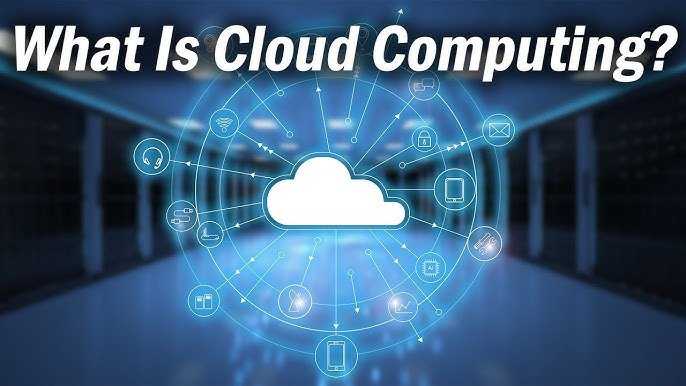
The world of technology is evolving at an unprecedented pace, and cloud computing continues to be at the heart of this transformation. As we approach 2026, businesses, developers, and IT professionals are keen to understand what the next phase of cloud technology will look like. In this article, we explore the cloud computing trends in 2026, highlighting the innovations, challenges, and opportunities that are set to redefine the way we store, access, and manage data.
What is Cloud Computing?
Before diving into trends, it’s important to understand what cloud computing entails. Simply put, cloud computing is the delivery of computing services—such as servers, storage, databases, networking, software, and analytics—over the internet (“the cloud”). This eliminates the need for companies to invest heavily in physical infrastructure, offering flexibility, scalability, and cost efficiency.
The adoption of cloud solutions has surged over the past decade, and with 2026 around the corner, the industry is poised for even more radical innovations.
Why Monitoring Cloud Computing Trends in 2026 is Crucial
Businesses that stay updated with emerging cloud computing trends in 2026 can leverage cutting-edge technologies to gain a competitive advantage. Cloud trends influence how organizations approach:
- Data storage and management
- Application development
- Security and compliance
- Cost optimization
- Business agility
Companies that ignore these trends risk falling behind competitors who are quicker to adopt next-generation cloud technologies.
Key Cloud Computing Trends in 2026
Let’s take a closer look at the most significant cloud computing trends in 2026 that every business and tech enthusiast should watch.
1. Hybrid and Multi-Cloud Environments Will Dominate
By 2026, hybrid and multi-cloud strategies will become the standard rather than the exception. Organizations are moving away from relying on a single cloud provider and are adopting multiple platforms to optimize performance, cost, and compliance.
Hybrid clouds allow businesses to keep sensitive data on private servers while leveraging public clouds for scalability. Multi-cloud strategies, on the other hand, prevent vendor lock-in and enhance reliability.
SEO Tip: Incorporate “cloud computing trends in 2026” naturally in content like, “Hybrid and multi-cloud strategies are among the top cloud computing trends in 2026 for enterprises seeking agility.”
2. AI and Machine Learning Integration
Artificial intelligence (AI) and machine learning (ML) are becoming inseparable from cloud computing. In 2026, cloud providers are expected to offer AI-powered services that make data processing smarter and more efficient.
- Predictive analytics: Businesses can anticipate customer behavior and market trends.
- Automated decision-making: AI-driven insights can streamline operations and reduce human error.
- Enhanced cybersecurity: AI can detect anomalies and respond to threats in real time.
The combination of cloud computing and AI will empower companies to become more proactive and data-driven.
3. Serverless Computing Will Gain Traction
Serverless computing allows developers to build applications without managing infrastructure. This trend is expected to gain massive popularity in 2026 because it offers:
- Faster deployment times
- Cost efficiency (pay-as-you-go model)
- Simplified scalability
Serverless architecture aligns with modern development practices, making it one of the most impactful cloud computing trends in 2026.
4. Enhanced Cloud Security and Compliance
Security remains a top concern as businesses move more workloads to the cloud. With the rise of cyber threats, 2026 will see advanced security measures being integrated into cloud platforms:
- End-to-end encryption
- Zero-trust security models
- Automated compliance monitoring
Regulations like GDPR and CCPA are influencing cloud policies, and organizations must prioritize security to protect sensitive information.
5. Edge Computing Will Complement the Cloud
Edge computing is transforming how data is processed. Instead of sending all data to centralized cloud servers, edge computing processes data closer to the source. This reduces latency, enhances real-time analytics, and improves performance for IoT devices.
In 2026, cloud computing and edge computing will work hand in hand, enabling applications like autonomous vehicles, smart cities, and industrial automation.
6. Sustainable Cloud Practices
Environmental responsibility is becoming a major focus. Cloud providers are investing in greener data centers and energy-efficient infrastructure.
- Carbon-neutral cloud operations
- AI-powered energy management
- Efficient cooling and server management
Sustainability is not just an ethical concern—it’s a trend that affects consumer perception and regulatory compliance.
7. Cloud-Native Technologies Will Expand
Containerization, microservices, and Kubernetes adoption will continue to rise. These cloud-native technologies allow businesses to:
- Build scalable applications faster
- Improve software reliability
- Reduce infrastructure complexity
In 2026, organizations that embrace cloud-native approaches will have a significant edge in agility and innovation.
8. Quantum Computing in the Cloud
Quantum computing is no longer science fiction. By 2026, cloud platforms will increasingly offer access to quantum computing resources, allowing businesses to solve complex problems that classical computers can’t handle efficiently.
- Optimization problems
- Complex simulations
- Advanced cryptography
Quantum computing will redefine industries such as finance, logistics, and pharmaceuticals, making it a key cloud computing trend in 2026.
9. Industry-Specific Cloud Solutions
Cloud providers are moving toward industry-specific solutions. Healthcare, finance, retail, and manufacturing will benefit from tailored cloud platforms that address unique compliance, scalability, and security needs.
Custom cloud solutions make adoption faster, more efficient, and more aligned with business objectives.
10. Cloud Cost Management Will Be Critical
As cloud adoption grows, managing costs will remain a major challenge. In 2026, businesses will rely on AI-driven cost optimization tools to monitor usage, predict expenses, and reduce wastage.
Efficient cost management ensures that organizations get maximum value from their cloud investments while avoiding unexpected financial burdens.
How Businesses Can Prepare for Cloud Computing Trends in 2026
To stay ahead, businesses should:
- Invest in hybrid and multi-cloud strategies
- Integrate AI and ML into cloud workflows
- Embrace serverless and cloud-native architectures
- Prioritize cybersecurity and compliance
- Explore edge computing and quantum computing opportunities
- Monitor cloud costs with advanced tools
Adopting these strategies will allow companies to not only keep pace with technology but also leverage it for strategic growth.
Conclusion
The landscape of cloud computing is evolving rapidly, and 2026 promises to be a transformative year. From AI integration and serverless computing to edge and quantum technologies, businesses that stay ahead of these cloud computing trends in 2026 will be better positioned for success.
By embracing these innovations, organizations can enhance efficiency, security, and customer experiences while preparing for the next era of digital transformation. Staying informed and proactive is the key to thriving in the ever-changing cloud ecosystem.